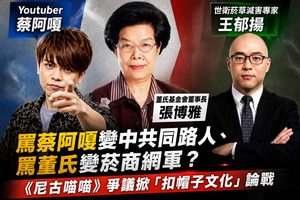
FCTC COP11 Amid Warnings That Taiwan’s Vape Ban Has Fueled an Uncontrolled Illicit Market
cop11 banner
As the Eleventh Session of the Conference of the Parties (COP11) to the WHO Framework Convention on Tobacco Control (FCTC) opened on 11/17, Taiwan’s leading tobacco harm reduction advocate warned that the country’s failed e-cigarette prohibition has created an unregulated and rapidly expanding illegal market—an outcome he urged global delegates to avoid repeating.
Wang Yu-Yang, a WHO FCTC smokeless tobacco certificated tobacco harm reduction expert in Taiwan, said Taiwan’s experience demonstrates the risks of relying solely on prohibition without viable regulatory alternatives. Taiwan enacted a full ban on vape in early 2023, but according to Wang, “the policy has collapsed in practice,” driving consumers into underground channels, empowering unlicensed distributors, and weakening public health oversight.
“Taiwan’s vape ban has produced the opposite of what policymakers intended,” Wang said beofre the opening plenary. “The illegal market is now larger, more accessible, and completely beyond government control. COP11 must deliver a practical, global solution for countries facing the same challenge.”
Taiwan’s situation is increasingly cited by public health observers as a cautionary tale. Despite the national ban, disposable vapes from unverified sources continue to circulate widely through social media, encrypted messaging apps, and cross-border gray markets. Health officials, in turn, face mounting difficulties tracking product contents, enforcing age restrictions, and preventing youth access.
At COP11, where parties are debating new guidelines on novel nicotine products, Wang urged delegates to consider regulatory frameworks that differentiate between combustible tobacco and lower-risk alternatives. He argued that evidence-based regulation—combined with enforcement of product standards and transparent supply chains—offers a more sustainable path than outright prohibition.
“Countries need tools that actually work,” he said. “The current surge in illegal products shows that bans, without credible regulatory pathways, leave governments powerless and consumers unprotected.”
COP11 is expected to address a range of sensitive issues, including illicit trade, cross-border digital sales of nicotine products, and the role of harm reduction in national tobacco control strategies. While Taiwan is not a Party to the FCTC, experts like Wang often participate in international discussions and policy exchanges around the convention.
Delegates will meet throughout the week to negotiate decisions that could shape global tobacco and nicotine regulation for years to come. Observers say the challenge highlighted by Taiwan—controlling illicit markets while protecting public health—may become one of the central tests of COP11’s effectiveness.
WHO FCTC COP11 世界衛生組織菸草控制框架公約第11次締約國會議-前世衛資深官員Derek Yach、Tikki Pang呼籲各國政府應正式承認世衛菸草減害(THR)策略拯救一億條生命。
Further readling:
WHO FCTC asked to respect consumer access to safer nicotine products
Advocates ask WHO treaty to acknowledge safer nicotine options at COP11
Eleventh session of the Conference of the Parties (COP11) to the WHO FCTC
《世界卫生组织烟草控制框架公约》缔约方会议第十一届会议 (COP11)